In Memory of Belton Fleisher
I owe the beginning of my career as an economist to Belton Fleisher. By the time I graduated from Beijing University with mechanical engineering degree in 1988, I had already decided not to pursue a career as an engineer or researcher in engineering mechanics. But I wasn’t ready to enter the real world for a nine-to-five job. I was lucky to get into the master’s program in the now defunct Centre of Management Science at Beijing University, as it was the only graduate program that accepted my graduate school entrance results in mechanical engineering. A chance discovery then led me to Renmin University’s “Ford Class” — an economics training program for graduate students from all over China sponsored by the Ford Foundation. In the spring semester of 1988-1989 I had Professor Belton Fleisher of Ohio State University as one of the two instructors.
Professor Fleisher taught us macroeconomics. His approach to teaching was rigorous. The Ford Class experience came as a shock to me in more than one way. At the time, economics as known today in China was still referred to as “western economics.” I had taken an entrance exam to the Ford Program, and in preparation I had read some Chinese textbooks in western economics. They were largely translations of undergraduate principle textbooks, but every chapter in these textbooks would end with a critique of the concepts introduced in the chapter from perspectives of Marxism. It was in the Ford Class that I came upon original textbooks for the first time. I still have a copy of Microeconomic Theory by Henderson and Quandt, full of hand-written Chinese translation of difficult English words that I scripted between lines of texts and on the margins. I was hugely impressed by what I thought was the “methodology” of economic modeling: any analysis always would start with a model of individual behavior, often through constrained optimization. At the time of course I didn’t know, but this methodology is called “neoclassical,” and Professor Fleisher was a pioneer in neoclassical labor economics. His textbook, Labor Economics: Theory and Evidence, published in 1970 by Prentice-Hall, was credited as the first “modern” labor economics textbook. Prior to his textbook, the dominant paradigm was “institutional,” focusing on labor facts, labor laws, labor unions, and all kinds of institutional knowledge and labor-related descriptive material. Books on labor economics under the institutional approach contained very little economics. Professor Fleisher’s textbook heralded a contrasting approach of using economic theory to understand all things labor, and was instrumental in cementing the dominance of the neoclassical approach over the institutional approach.
Outside the classroom, Professor Fleisher engaged with the class in a way that foreshadowed his growing affection towards Chinese students and China more broadly. He surprised me and my classmates with his fitness and great energy. He rode his bike everywhere, and led us on trips to Lu Gou Qiao and Zhou Kou Dian. He was in his early 50’s, but often he was faster than us on his bike. Professor Fleisher was very generous towards Ford Class students, and treated us to numerous lunches. I did very well in my studies at the Ford Program, mostly because of my mechanical engineering background. Perhaps because of this, I quickly became one of his favorite students in the classroom as well as outside.
Professor Fleisher’s time with our Ford Class was unfortunately disrupted by the events in the late spring of 1989. By that time I had become determined to further my studies in economics. Professor Fleisher was the one who suggested to me that I should go to the US for PhD studies. After taking TOFEL and GRE in the summer of 1989, I applied for the PhD programs of Stanford and Chicago as suggested by Professor Fleisher. He also suggested that I should apply for the PhD program at Ohio State as insurance as he could help me with admission to the program.
On New Year’s Day in 1990 I arrived at Ohio State University and soon after entered the PhD program. I did not take classes from Professor Fleisher, but he helped with everything that I ever needed as an international student. He even allowed me to drive his car to practice for my driver’s license test, as the car I bought with a friend was manual. By March I already knew that my application to the University of Chicago PhD program was successful, and was due to start at Chicago in the fall. I was among the first group of self-funded Chinese students who went to the US to study economics. Unlike applicants from China today, I had no idea about the tradition and culture of the University of Chicago. I did not choose Chicago; Professor Fleisher chose Chicago for me. Of course, without his recommendation letter for me, I would have never been admitted to Chicago. Later I learned of Professor Fleisher’s connection to the University of Chicago. His first academic job was at Chicago, from 1961-1965. At the time, the economics faculty at the University of Chicago had intellectual giants such as Milton Friedman and Gregg Lewis. The latter was sometimes referred to the father of modern labor economics. There were also future intellectual giants under the tutelage of Friedman and Lewis. Professor Fleisher told me of a story of dining and clubbing with Robert Lucas — the late Nobel Prize winner in Economics in 1995 — as Lucas was a PhD student at Chicago under Lewis and was close to Professor Fleisher in age. Professor Lucas turned out to be one of my most favorite professors at Chicago.
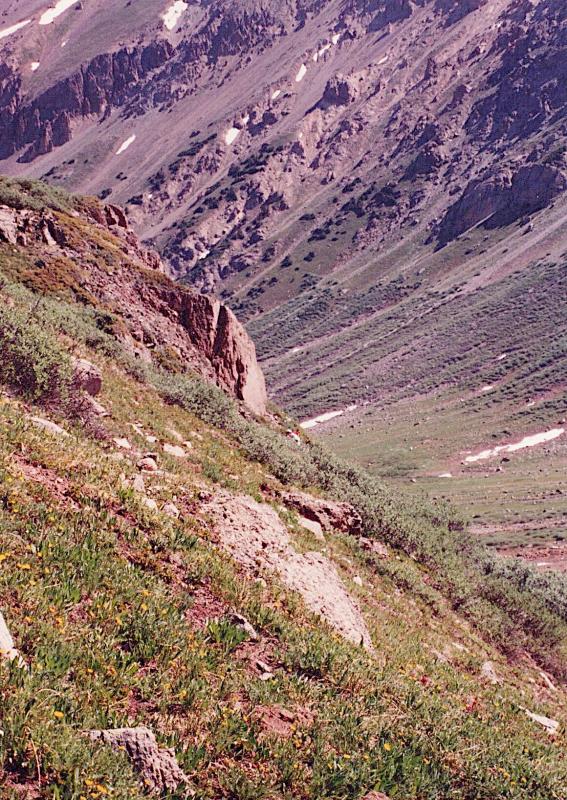
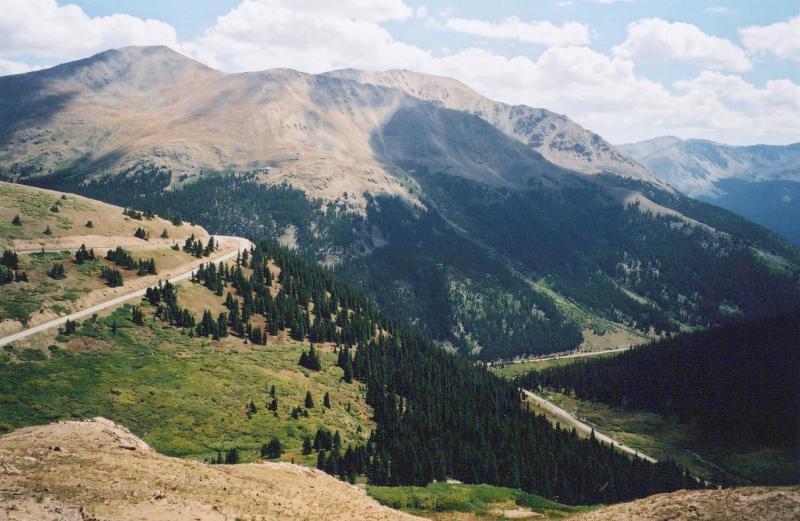
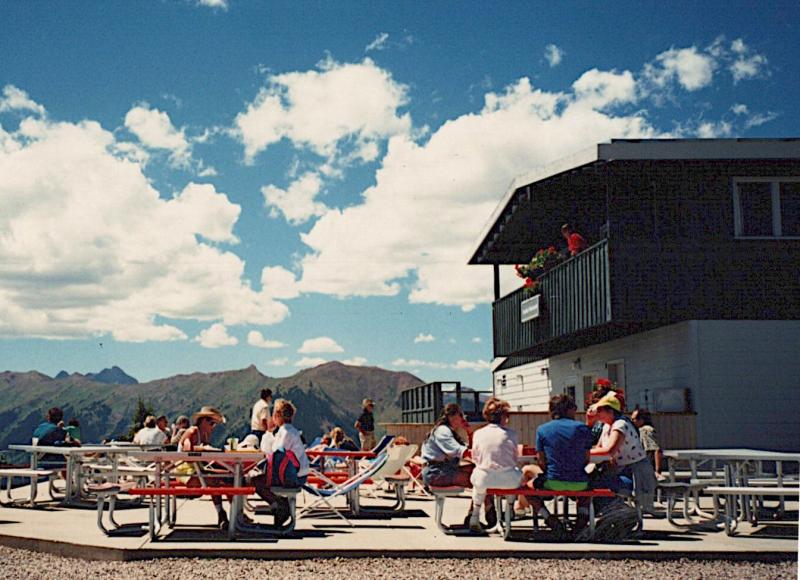
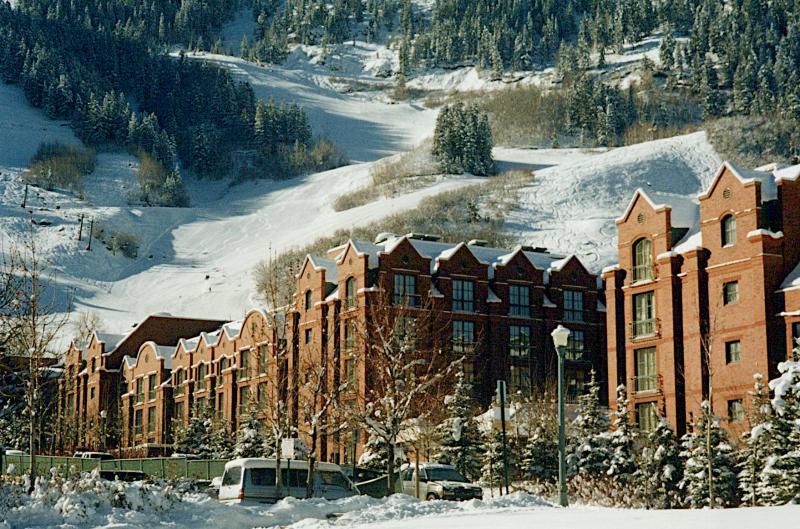
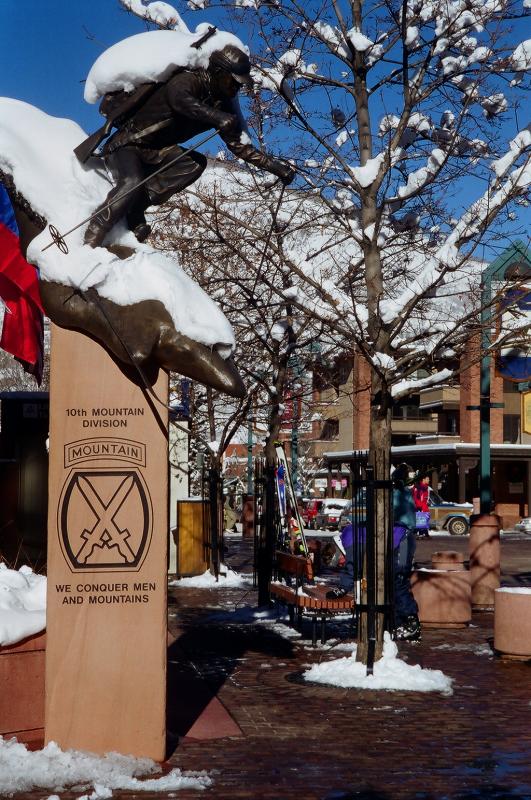
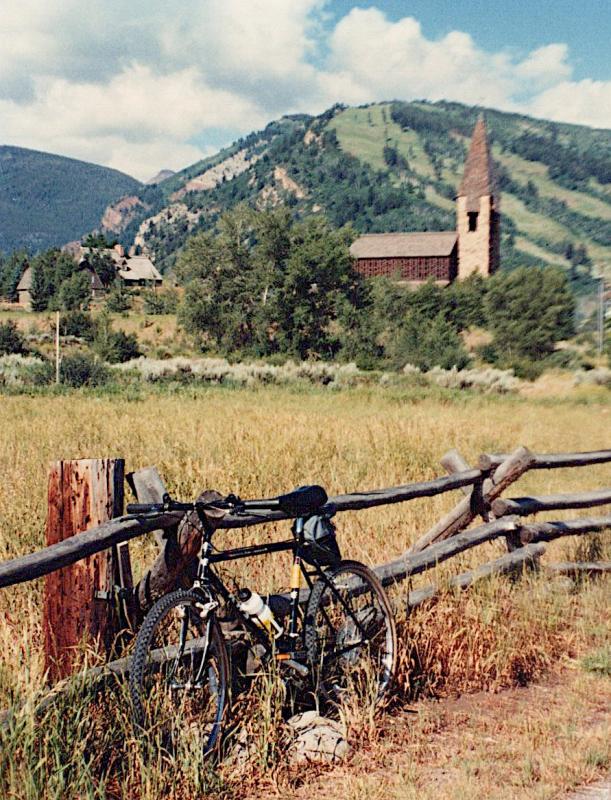
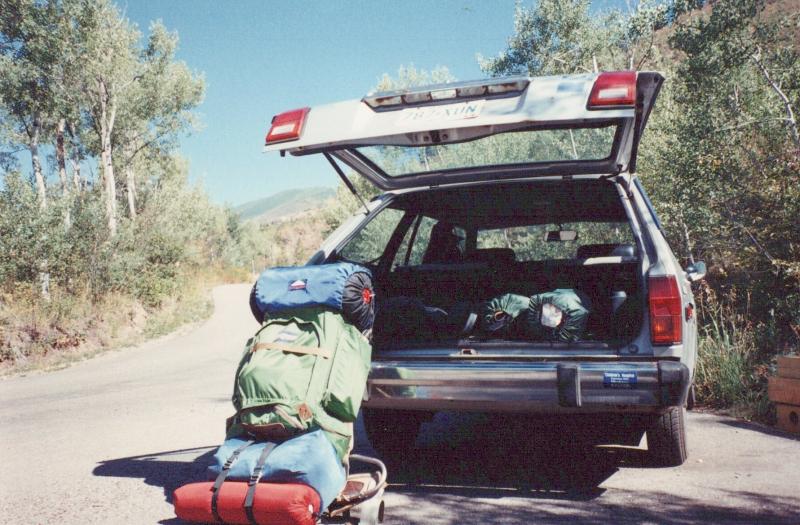
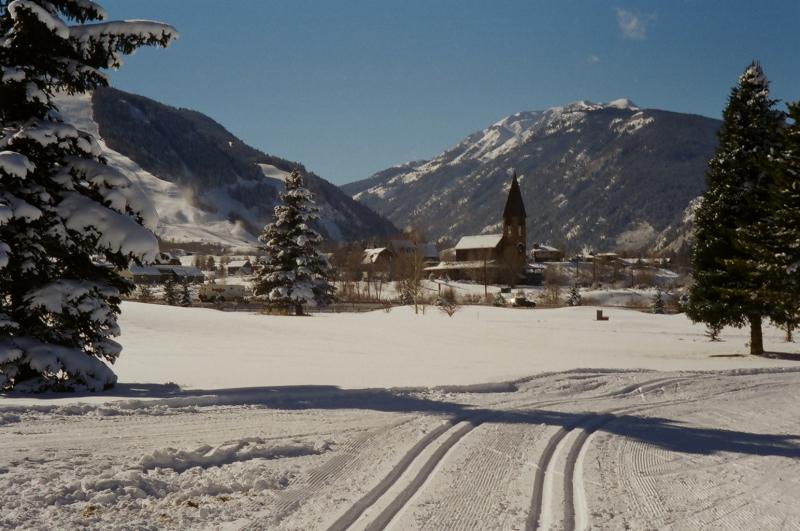
In the summer of 1990, Belton invited me to go to Aspen, Colorado where he owned a summer home at the time. He had two younger brothers, Don and David, who both also lived in Aspen. Don generously allowed me to stay as his house guest while I worked as a buzz boy in a Mexican restaurant that he co-owned. A few years later when I visited the restaurant, the manager was still there and told me that he was proud to have supervised a PhD student working as a buzz boy. There were family pictures at Don’s home, and I learned a little from him about their family history. They were from Hayward, California, not far from San Francisco and Stanford University where Belton received his PhD degree in 1961. Belton was the only one of the three siblings to become an academic. Don and David both had successful business careers. All three of them had an active lifestyle and were avid bicyclists.
After my PhD studies at the University of Chicago started in the fall of 1990, my contacts with Belton became less frequent. I remember driving from Chicago to Columbus to visit Belton and other fiends there when the car broke down and I had to take the bus to complete the trip. Before I finished the program, Belton visited Chicago and took me to a men’s store to get my first suit. I still have it and wear it from time to time. When I went to the job market conference in Washington DC in 1995, I joined Belton and other former students from the Ford Class for dinner at a famous Chinese restaurant. I gave a job market seminar at the Ohio State that year and saw Belton. I did not get the position.
In 1996, I took a job at the University of Hong Kong and began my academic career. Belton visited me in Hong Kong, and I took him to Macao. On a few of Belton’s trips to Beijing to work with his many collaborators, I happened to be in Beijing and we would meet to catch up. Ever since his first tour as a Ford Class professor, Belton’s research had become China-oriented. Many researchers on the Chinese economy sought out Belton for collaborations. He always seemed to have many projects running at the same time, and was in China more often than I was.
In one chance meeting in Beijing, we went to Yuan Ming Yuan together with other friends. Belton reminded me that during the time of the Ford Class, a few of us took Belton to Yuan Ming Yuan. Back then, there was no gate and we just walked right up to the ruins of Yuan Ming Yuan. I remember standing in front of the ruins as I told Belton of the history of how Yuan Ming Yuan was reduced to ruins by the looting English and French soldiers. It was part of Century of Humiliation that I felt very strongly about as someone coming to the age at the onset of Chinese Economic Reform. I had the distinct memory that at the time I did not think Belton knew anything about that part of Chinese history, and he was struck by the depth of my feelings. But I have no doubt that from the time of the Ford class, Belton had gained much insight about China and its people. He never told me that everything about China was great, but he had hope that China would continue on its path to greatness. Did he think that China’s rise would not necessarily hurt the U.S.? I would never know. It is a shame that Belton did not leave behind a memoir of his time in China.
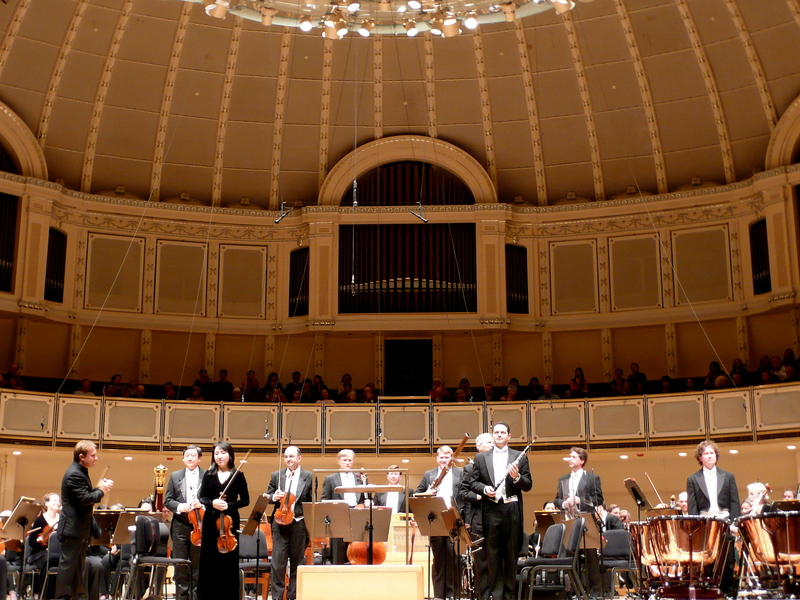
When Belton retired from the Ohio State in 2011, I joined a group of friends in Columbus, Ohio for a surprise gathering to celebrate the occasion. When we asked about his retirement plan, it became clear to us that Belton wanted to keep an active lifestyle. Belton moved to Chicago soon after his retirement. He could have stayed in Columbus, but he liked the cultural amenities that the Windy City could offer. When I contacted him immediately after he moved to Chicago, he talked enthusiastically about attending performances by Chicago Symphony Orchestra and visiting the Art Institute. In 2023 I visited Chicago for my niece’s graduation ceremony. I contacted Belton but wasn’t able to meet with him. That was my last time communicating with him. I knew at the time that Belton was in poor health. I regret to this day that I wasn’t able to meet with him in Chicago.